


Progetti Internazionali
PLAYINC4KIDS



Project Name
PLAYINC4KIDS – PLAY INClusive sport environments for children with and without disability (aged 6-13) and their parents
Funding Body
Erasmus+ Sport
Coordinating Organization
AiCS
Partner Organizations
UNIBO/Italy; Around Sport/Italy; HLA/Croatia; NK Istra 1961/Croatia; UCEC/Spagna; Aura Fundaciò/Spain; CSIT/Austria
Summary
The PLAYINC4KIDS project builds on the needs identified through a previous preparatory project, PLAYINC, which aimed to establish a common approach to adapting sports disciplines to the needs of children with disabilities.
The project is based on the principle that social inclusion is most effective when sport enables everyone to play, interact and have fun together. Its overall aim is to develop and test a methodology, with the scientific support of the University of Bologna, to promote the inclusion of children with cognitive disabilities alongside children without disabilities (aged 6–13) in traditional team sports, through the creation of inclusive sports environments.
The project will develop a comprehensive methodology for designing, managing and evaluating inclusive sports programmes. A group of 16 sports coaches from three countries will participate in an international training programme to learn how to implement the methodology in their respective pilot areas.
The trained coaches will then implement and evaluate eight inclusive sports environments, offering two hours of activities per week over a four-month period. These activities will engage at least 300 children with and without disabilities, together with their parents, through training sessions, competitions and open sports events held in facilities adapted to participants’ specific needs.
These inclusive sports environments will place inclusion at the heart of the game, while maintaining an appropriate level of physical intensity and challenge for children without disabilities. The activities will also foster the development of essential 21st-century skills for all participants, combining physical activity, social interaction, teamwork and personal growth.
Objectives
- Develop and test a scientifically grounded methodology to promote the inclusion of children with cognitive disabilities alongside children without disabilities (aged 6–13) in traditional sports disciplines, through the creation of inclusive sports environments.
- Design and test innovative and adapted sports activities that, based on a common methodology and needs analysis, combine social inclusion, the development of basic skills and enjoyment, encouraging sports participation among children with and without disabilities and reducing the risk of dropping out of sport.
- Strengthen the knowledge and competences of sports coaches in designing, implementing and managing inclusive team sports programmes.
- Promote learning and personal development through sport, providing children and young people with enjoyable educational experiences that foster essential skills during a crucial stage of their physical, mental and social development.
Project period
2025 – 2027
Areas of Intervention
#Sport · #SocialInclusion · #Disability · #Children · #InclusiveEducation · #EqualOpportunities

Denominazione progetto
PLAYINC4KIDS – PLAY INClusive sport environments for children with and without disability (aged 6-13) and their parents
Ente Finanziatore
Erasmus+ Sport
Ente Coordinatore
AiCS
Enti Partner
UNIBO/Italy; Around Sport/Italy; HLA/Croatia; NK Istra 1961/Croatia; UCEC/Spagna; Aura Fundaciò/Spain; CSIT/Austria
Sintesi
Il progetto parte dai bisogni emersi in un precedente progetto preparatorio, chiamato PLAYINC (https://progetti.aics.it/playinc/ ), mirato a stabilire un approccio comune su come adattare le discipline sportive alle esigenze dei bambini con disabilità.
L’assunto di partenza è che l’inclusione sociale è efficace quando lo sport permette a tutti di giocare, interagire e divertirsi. L’obiettivo generale è sviluppare e testare un metodo, con il supporto scientifico dell’Università di Bologna, per promuovere l’inclusione di bambini con disabilità cognitive insieme a bambini cosiddetti “normodotati” (6-13 anni) nelle discipline sportive di squadra tradizionali, attraverso la creazione di ambienti sportivi inclusivi.
Sarà elaborato un metodo su come progettare, gestire e valutare programmi sportivi inclusivi. Un gruppo di 16 allenatori provenienti da 3 paesi parteciperà a una formazione internazionale su come applicare il metodo in ciascuna area pilota. Gli allenatori saranno in grado di realizzare e valutare un totale di 8 ambienti sportivi inclusivi (2 ore ogni settimana per 4 mesi) in cui gruppi di bambini con e senza disabilità (in tutto almeno 300), insieme ai loro genitori, saranno coinvolti in allenamenti, competizioni ed eventi sportivi aperti in strutture adattate alle loro esigenze speciali. Questi ambienti metteranno l’inclusione al centro del gioco, mantenendo allo stesso tempo un alto livello di intensità per i bambini cosiddetti “normodotati”, promuovendo le competenze del 21° secolo per tutti.
Obiettivi
- Sviluppare e testare un metodo scientifico per promuovere l’inclusione di bambini con disabilità cognitive insieme a bambini cosiddetti “normodotati” (di età compresa tra 6 e 13 anni) nelle discipline sportive tradizionali attraverso la creazione di ambienti sportivi inclusivi.
- Progettare e testare discipline sportive innovative e adattate che, seguendo un metodo comune e un’analisi dei bisogni, combinino valori di inclusione sociale, competenze di base e divertimento, per sostenere la pratica sportiva di bambini con e senza disabilità e ridurre il rischio del drop-out sportivo.
- Sviluppare conoscenze e competenze per gli allenatori nella progettazione e gestione di programmi sportivi di squadra inclusivi.
- Promuovere l’educazione tra i bambini e i giovani in modo divertente attraverso lo sport, concentrandosi sullo sviluppo di competenze di base durante la loro fase più importante di sviluppo fisico, mentale e sociale.
- Sensibilizzare contro ogni tipo di intolleranza e pregiudizio verso la disabilità.
Periodo
2025 – 2027
Ambiti di intervento
#Disabilità #Sport #Formazione ed educazione
NEWS
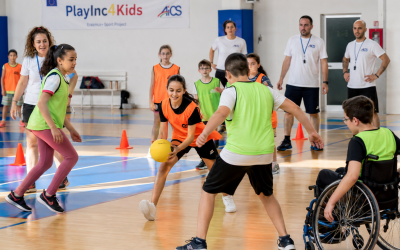
PlayInc4Kids, in Italia la formazione europea per gli allenatori dello sport inclusivo
Il 21 e 22 luglio AiCS ospita i partner del progetto Erasmus+ Sport: i tecnici di Around Sport guideranno la parte pratica del percorso dedicato ai coach dei quattro Paesi partner Si terrà il 21 e 22 luglio a Savignano, in Romagna, il nuovo appuntamento internazionale...
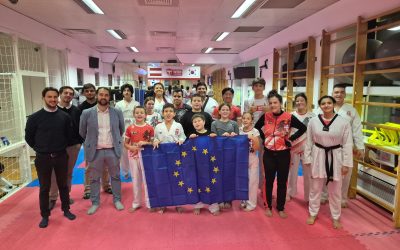
Come fermare la fuga dei giovani dallo sport, al lavoro per le linee guida finali di “Youth Drop-In Sport”
Meeting finale a Vienna del progetto europeo coordinato da AiCS: il vademecum per gli operatori sportivi è al suo test finale Testare sul campo le linee guida per aiutare gli allenatori a prevenire il drop out sportivo dei giovani, così da consegnare al mondo...
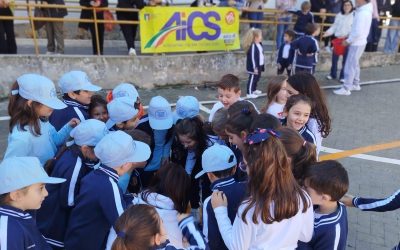
Sport di squadra e alimentazione sana a scuola, a Enna pane&olio e sport per tutti!
Anche AiCS Enna ha dato il via alle attività sportive ed educative del progetto “Sport di squadra e alimentazione sana a scuola”, piano nazionale che - promosso da AiCS in collaborazione con l’Associazione medici diabetologi - gode del contributo del Ministro per lo...
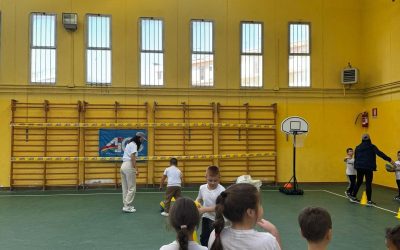
Sport di squadra e alimentazione sana a scuola, a Napoli l’educazione alimentare si fa in palestra!
Battuta d’inizio anche in Campania del progetto promosso da AiCS Nazionale: prima dello sport, lezione con il medico sugli stili di vita salutari per 90 piccoli alunni delle Primarie Radice Sanzio Ammaturo Bambini e bambine in palestra per fare sport, sì, ma anche...
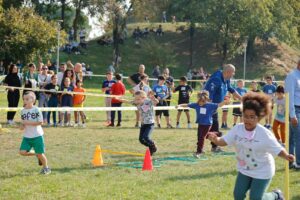
“Sport di squadra e alimentazione sana a scuola”: a Forlì il progetto sbanca in ben 16 classi
All’open day al Parco Incontro l’11 ottobre scorso hanno partecipato bimbi e genitori Anche AiCS Forlì–Cesena porta “a casa” il progetto nazionale “Sport di squadra e alimentazione sana a scuola” le cui attività sportive prenderanno il via a novembre e che...
Verso Milano-Cortina, il progetto AiCS “Sport di squadra e alimentazione sana a scuola” tra gli eventi Gen26
Rivolto a piccoli e giovanissimi tra i 3 e i 14 anni unisce lo sport alla sana educazione alimentare e promuove gli stili di vita sani e sociali – gode del sostegno e del finanziamento del Ministro dello Sport e dei Giovani Sport di squadra e alimentazione sana a...
Sport di squadra e alimentazione sana a scuola: ecco il logo del progetto!
Sostenuto dal Ministro per lo Sport e i giovani attraverso il finanziamento del Dipartimento Sport del Governo; vede al fianco di AiCS anche gli specialisti dell’Associazione medici diabetologi Una palla e un frutto, a promuovere l’unione strategica tra sport e sana...
Stop al drop out sportivo dei giovani, webinar gratuito per gli allenatori AiCS
Il 16 e 22 settembre, in lingua inglese, nell’ambito del progetto europeo “Youth drop-in sport” Dopo l’analisi dei risultati dell’indagine condotta da Sport e Salute Spa per conto del progetto europeo Youth Drop-in Sport, coordinato da AiCS e volto a prevenire...
A Cremona, i Campionati del sole con il gioco da tavolo di “Sport di squadra e gioco a scuola”
Fino a giugno, proseguiranno anche le attività di sport gratuito per gli 80 bambini e bambine delle scuole paritarie Sacra Famiglia SOS Sfida Operazione Spaziale a Cremona diverte circa 80 bambini e bambine che imparano a fare squadra. Qui, abbiamo messo a punto un...
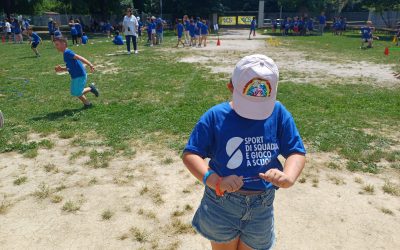
A Forlì famiglie e ragazzi insieme a celebrare la chiusura di Sport di squadra e gioco a scuola
Il 3 giugno alle scuole primarie “Matteotti”: oltre 350 tra studenti e genitori per un pomeriggio di sport gratuito. La festa al termine di 6 mesi di attività motoria qualificata e inclusiva in tre scuole cittadine Una grande festa di comunità per salutare il progetto...